










Dodge, a legendary American automaker renowned for its high-performance muscle cars, has unveiled its latest innovation – the Dodge Charger Daytona EV. This groundbreaking electric vehicle marks a significant turning point, heralding the dawn of the “electric muscle era.”
The Charger Daytona EV retains the iconic design elements that have cemented the Charger’s status as an automotive powerhouse. However, it replaces the traditional gasoline engine with a state-of-the-art electric propulsion system, promising exceptional performance while embracing sustainability.
While specific technical details remain undisclosed, Dodge boasts that the Charger Daytona EV will deliver “Hellcat Redeye performance levels.” This suggests the electric muscle car will possess exhilarating acceleration and impressive top speeds, rivaling the power of its gasoline-powered predecessor, the Dodge Charger SRT Hellcat Redeye.
Furthermore, Dodge has incorporated a unique feature designed to preserve the auditory essence of a muscle car. The “Fratzonic Chamber” generates a throaty exhaust-like sound, aiming to evoke the nostalgic rumble associated with classic muscle cars while adhering to electric vehicle regulations.
The unveiling of the Charger Daytona EV signifies a bold step towards electrifying the muscle car segment. This move caters to the evolving environmental landscape and demonstrates Dodge’s commitment to staying at the forefront of automotive innovation while preserving its muscle car legacy. The arrival of the Charger Daytona EV marks the beginning of a new era for Dodge and the muscle car industry, paving the way for a future where exhilarating performance and environmental responsibility coexist

Spain slams US and Israeli strikes on Iran, with Prime Minister Pedro Sánchez warning of escalation risks and signalling a more independent Spanish foreign policy stance within the EU.
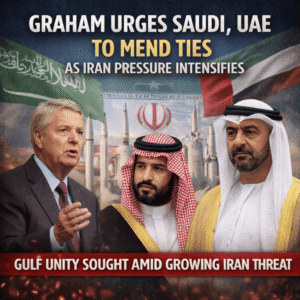
Graham urges Saudi UAE to mend ties as Iran pressure intensifies, warning that Gulf divisions weaken regional security and complicate U.S.-Iran diplomacy amid Yemen and Red Sea tensions.
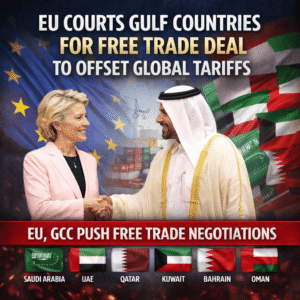
EU courts Gulf countries for free trade deal to protect European exports from global tariff pressures and deepen strategic partnerships with GCC states.

The European preference in military mobility plan gains support in the EU Parliament, aiming to prioritise EU infrastructure, suppliers, and control to strengthen defence readiness and strategic autonomy.


Subscribe
Fill the form our team will contact you
Advertise with us
Fill the form our team will contact you
Leave us a message