








A recent investigation has unveiled a significant undisclosed campaign finance operation within the cryptocurrency industry. Millions of dollars were channeled into political campaigns, often unrelated to cryptocurrency policy. The revelation sheds light on the industry’s growing influence on American politics and raises questions about transparency and accountability.
The investigation uncovered a network of political action committees (PACs) and dark money groups funded by cryptocurrency executives and investors. These entities spent millions of dollars on advertisements, lobbying efforts, and campaign contributions, primarily focused on climate change, education, and infrastructure.
While the crypto industry has been vocal about its support for policies that promote innovation and economic growth, the undisclosed nature of these campaign finance activities raises concerns about potential conflicts of interest and the industry’s undue influence on policymakers.
The lack of transparency surrounding these expenditures highlights the need for stricter regulations and greater oversight of political campaign finance. As the cryptocurrency industry continues to evolve and expand, ensuring that its influence on public policy is transparent and accountable is imperative.
The investigation has sparked calls for increased regulation of the cryptocurrency industry, including stricter disclosure requirements for political donations and lobbying activities. Such measures would help ensure that the public knows the industry’s influence and can hold policymakers accountable for their decisions.
The revelation of this extensive campaign finance operation underscores the importance of transparency and accountability in the political process. As the influence of special interests grows, it is crucial to safeguard the integrity of democratic institutions and ensure that public policy is shaped by the people’s best interests.

Spain slams US and Israeli strikes on Iran, with Prime Minister Pedro Sánchez warning of escalation risks and signalling a more independent Spanish foreign policy stance within the EU.
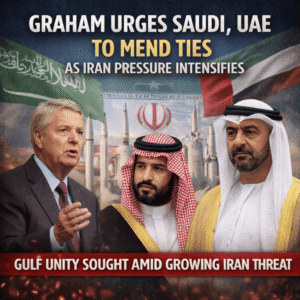
Graham urges Saudi UAE to mend ties as Iran pressure intensifies, warning that Gulf divisions weaken regional security and complicate U.S.-Iran diplomacy amid Yemen and Red Sea tensions.
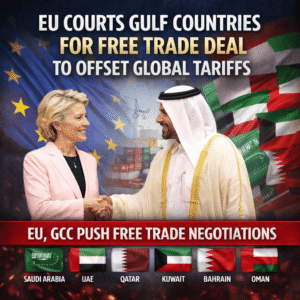
EU courts Gulf countries for free trade deal to protect European exports from global tariff pressures and deepen strategic partnerships with GCC states.
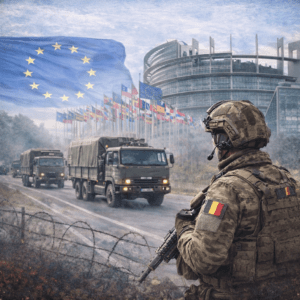
The European preference in military mobility plan gains support in the EU Parliament, aiming to prioritise EU infrastructure, suppliers, and control to strengthen defence readiness and strategic autonomy.

Subscribe
Fill the form our team will contact you
Advertise with us
Fill the form our team will contact you
Leave us a message