







China’s technology landscape is witnessing a surge in activity within the generative artificial intelligence (AI) sector, with four start-ups emerging as frontrunners in the race to match the capabilities of OpenAI’s groundbreaking ChatGPT.
These four companies, Zhipu AI, Moonshot AI, MiniMax, and 01.ai, have each secured valuations exceeding $1.2 billion in recent months. This significant financial backing from domestic investors fuels their efforts to develop cutting-edge AI products and compete with established international players like OpenAI and Anthropic.
The heightened focus on generative AI in China stems from the inaccessibility of popular foreign applications like ChatGPT. This has created a fertile ground for domestic innovation, with over 260 companies actively pursuing the development of homegrown alternatives.
While these Chinese start-ups lag behind their US counterparts regarding technological advancement and total funding secured, their rapid growth and intense competition within the domestic market suggest significant potential for future breakthroughs.
Each of the leading four companies boasts a unique approach to generative AI development. Zhipu AI focuses on large language models; Moonshot AI prioritizes creating AI-powered content, MiniMax emphasizes the development of conversational AI and 01.ai concentrates on building AI tools for the education sector.
This diversity of approaches signifies the multifaceted nature of the generative AI landscape within China. While the ultimate “winner” in this race remains undetermined, the collective efforts of these start-ups are likely to result in significant advancements in AI capabilities within the region.

Spain slams US and Israeli strikes on Iran, with Prime Minister Pedro Sánchez warning of escalation risks and signalling a more independent Spanish foreign policy stance within the EU.
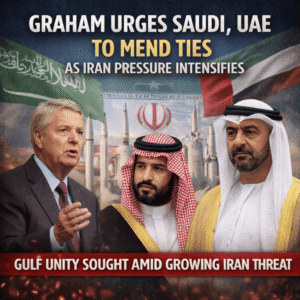
Graham urges Saudi UAE to mend ties as Iran pressure intensifies, warning that Gulf divisions weaken regional security and complicate U.S.-Iran diplomacy amid Yemen and Red Sea tensions.
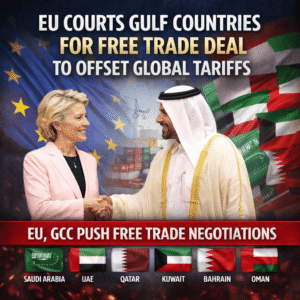
EU courts Gulf countries for free trade deal to protect European exports from global tariff pressures and deepen strategic partnerships with GCC states.
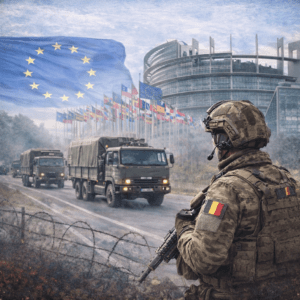
The European preference in military mobility plan gains support in the EU Parliament, aiming to prioritise EU infrastructure, suppliers, and control to strengthen defence readiness and strategic autonomy.

Subscribe
Fill the form our team will contact you
Advertise with us
Fill the form our team will contact you
Leave us a message