









The global boron carbide market is expected to reach US$ 256.8 million by 2033, growing at a CAGR of 5.3% from 2023 to 2033, according to a recent report by Future Market Insights (FMI).
The growth of the boron carbide market is attributed to the increasing demand for precision machining applications in the aerospace, defense, and automotive industries. Boron carbide is a hard and durable material well-suited for machining applications such as cutting, grinding, and polishing.
The aerospace and defense industries are major consumers of boron carbide. Boron carbide is used in various aerospace and defense applications, including aircraft and spacecraft components, missile guidance systems, and armor.
The automotive industry is also a major consumer of boron carbide. Boron carbide is used in various automotive applications, including brake pads, clutches, and engine components.
In addition to the aerospace, defense, and automotive industries, boron carbide is also used in various other industries, including electronics, medical, and energy.
The growth of the boron carbide market is being driven by a number of factors, including:
The boron carbide market is fragmented, with a number of regional players. The major players in the boron carbide market include:
The boron carbide market is expected to grow significantly in the coming years, driven by the increasing demand for precision machining applications in the aerospace, defense, and automotive industries. The market needs to be more cohesive, with a number of regional players. The major players in the market are investing in research and development to develop new boron carbide products and applications.

Spain slams US and Israeli strikes on Iran, with Prime Minister Pedro Sánchez warning of escalation risks and signalling a more independent Spanish foreign policy stance within the EU.
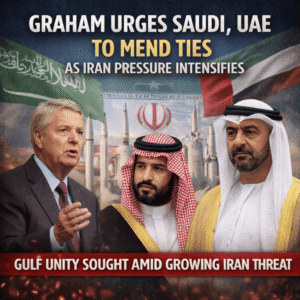
Graham urges Saudi UAE to mend ties as Iran pressure intensifies, warning that Gulf divisions weaken regional security and complicate U.S.-Iran diplomacy amid Yemen and Red Sea tensions.
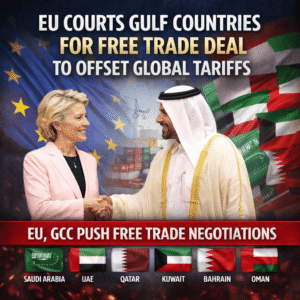
EU courts Gulf countries for free trade deal to protect European exports from global tariff pressures and deepen strategic partnerships with GCC states.

The European preference in military mobility plan gains support in the EU Parliament, aiming to prioritise EU infrastructure, suppliers, and control to strengthen defence readiness and strategic autonomy.


Subscribe
Fill the form our team will contact you
Advertise with us
Fill the form our team will contact you
Leave us a message