









April 04, 2025: Bitcoin has crossed the $100,000 threshold for the first time, marking a historic moment in the evolution of digital assets and sending ripples through global financial markets. The move, primarily driven by institutional demand and macroeconomic tailwinds, is forcing a recalibration of investor strategies across sectors.
Spot Bitcoin ETFs—recently approved in several jurisdictions, including the U.S.—have absorbed billions in inflows over the past month. Asset managers treat the asset less as a speculative vehicle and more as a macro hedge. At the same time, sovereign wealth funds in Asia and the Middle East are reportedly diversifying into crypto exposure, seeking uncorrelated returns amid declining real yields.
Bond markets have shown little immediate volatility, but equities—especially in fintech, crypto mining, and digital payments—are reacting sharply. Shares in Coinbase, MicroStrategy, and Marathon Digital have rallied, with volatility spiking in tandem. Meanwhile, traditional banking stocks are mixed, reflecting uncertainty around stablecoin adoption and long-term margin compression.
Central banks remain cautious. The ECB and Federal Reserve have not updated their official stance, but behind closed doors, there’s renewed urgency around central bank digital currencies (CBDCs). A leaked memo from within the Bank of Japan suggested concern over capital flight if crypto becomes a de facto global reserve asset.
Some regulators are already moving. South Korea’s Financial Services Commission has proposed stricter custody regulations, while the U.S. SEC is facing pressure to clarify its stance on staking and layer-2 protocols. Political implications are also growing—crypto policy has become a campaign issue in several countries ahead of national elections.
The $100K mark is psychological, but it’s also structural. It signals that Bitcoin is no longer operating on the fringes. What happens next may depend less on retail sentiment and more on how governments, asset managers, and tech infrastructure players respond.

Spain slams US and Israeli strikes on Iran, with Prime Minister Pedro Sánchez warning of escalation risks and signalling a more independent Spanish foreign policy stance within the EU.
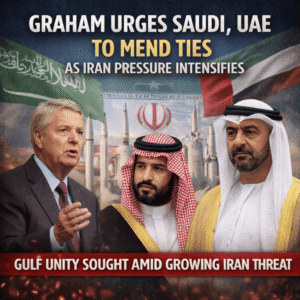
Graham urges Saudi UAE to mend ties as Iran pressure intensifies, warning that Gulf divisions weaken regional security and complicate U.S.-Iran diplomacy amid Yemen and Red Sea tensions.
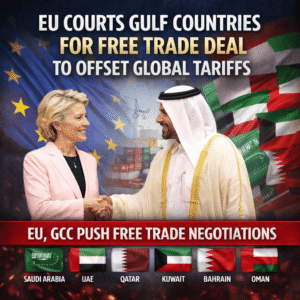
EU courts Gulf countries for free trade deal to protect European exports from global tariff pressures and deepen strategic partnerships with GCC states.

The European preference in military mobility plan gains support in the EU Parliament, aiming to prioritise EU infrastructure, suppliers, and control to strengthen defence readiness and strategic autonomy.



Subscribe
Fill the form our team will contact you
Advertise with us
Fill the form our team will contact you
Leave us a message