










Trade relations between Australia and China have undergone a significant turnaround, with bilateral trade volumes reaching record highs following the removal of Chinese tariffs on Australian goods. This development marks a positive step towards reconciliation after strained relations.
Data released by the Australian Bureau of Statistics in May 2024 revealed a surge in Australian exports to China. The value of these exports reached a record-breaking AU$19 billion (US$12.7 billion) in March 2024, reflecting a 31% year-on-year increase. This upsurge surpasses the previous peak recorded in mid-2021.
The tariff removal, implemented by China in April 2024, primarily benefited Australian mining giants. Exports of iron ore, a key component in steel production, witnessed a significant increase. Additionally, thermal coal shipments to China rose substantially, offsetting a decline in exports to Japan.
This positive development in trade relations is attributed to ongoing diplomatic efforts by both nations. Following a period of friction, Australian and Chinese officials have engaged in high-level talks aimed at resolving trade disputes and fostering economic cooperation. The removal of tariffs signifies a willingness to move forward and rebuild a more stable trading relationship.
Despite the positive trend, some analysts caution against overly optimistic interpretations. The long-term trajectory of Australia-China trade remains uncertain. Security concerns and geopolitical tensions persist, potentially impacting future trade dynamics. Additionally, Australia is actively seeking to diversify its export markets, reducing its dependence on China as a single trading partner.
In conclusion, the recent surge in Australia-China trade signifies a welcome thaw in previously strained relations. The removal of tariffs has led to increased export volumes, particularly for Australian mining companies. However, long-term sustainability and diversification of trade partnerships remain key considerations for both nations as they navigate this evolving economic landscape.

Spain slams US and Israeli strikes on Iran, with Prime Minister Pedro Sánchez warning of escalation risks and signalling a more independent Spanish foreign policy stance within the EU.
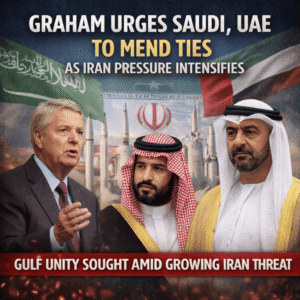
Graham urges Saudi UAE to mend ties as Iran pressure intensifies, warning that Gulf divisions weaken regional security and complicate U.S.-Iran diplomacy amid Yemen and Red Sea tensions.
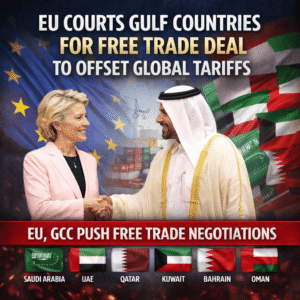
EU courts Gulf countries for free trade deal to protect European exports from global tariff pressures and deepen strategic partnerships with GCC states.

The European preference in military mobility plan gains support in the EU Parliament, aiming to prioritise EU infrastructure, suppliers, and control to strengthen defence readiness and strategic autonomy.



Subscribe
Fill the form our team will contact you
Advertise with us
Fill the form our team will contact you
Leave us a message