










On Tuesday, April 23rd, 2024, AMC Entertainment Holdings Inc. (AMC) Class A common stock exhibited a decline in price relative to its competitors in the movie theater industry. The stock price fell by 3.04%, closing at $3.19 per share. This decrease occurred within a broader context of a mixed trading session for the stock market. While the Dow Jones Industrial Average (DJIA) experienced a slight increase of 0.08%, the NASDAQ Composite Index (COMP) witnessed a minor decline of 0.10%.
This price drop for AMC marked the second consecutive day of losses for the company’s stock. The reasons behind this underperformance compared to competitors remain unclear and likely involve many factors.
It is important to note that AMC is a company heavily reliant on box office revenue. The success of blockbuster films directly impacts the company’s financial performance. While the movie theater industry is experiencing a gradual recovery from the COVID-19 pandemic, the overall box office performance in recent weeks might not have met investor expectations for AMC.
Another potential factor influencing the stock price could be broader market sentiment towards “meme stocks.” AMC gained significant notoriety during the meme stock frenzy of early 2021. Some investors might adopt a more cautious approach towards such volatile stocks, leading to decreased demand for AMC shares.
The long-term outlook for AMC remains to be seen. The company’s future performance will likely depend on several factors, including the continued recovery of the movie theater industry, the success of upcoming film releases, and overall investor sentiment toward the stock.

Spain slams US and Israeli strikes on Iran, with Prime Minister Pedro Sánchez warning of escalation risks and signalling a more independent Spanish foreign policy stance within the EU.
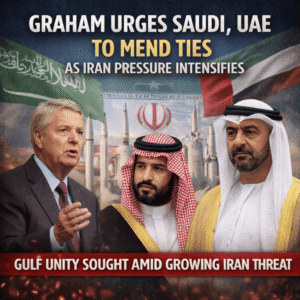
Graham urges Saudi UAE to mend ties as Iran pressure intensifies, warning that Gulf divisions weaken regional security and complicate U.S.-Iran diplomacy amid Yemen and Red Sea tensions.
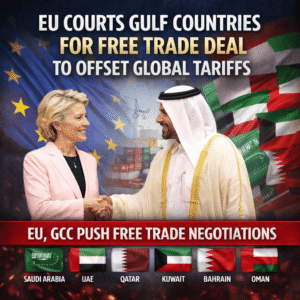
EU courts Gulf countries for free trade deal to protect European exports from global tariff pressures and deepen strategic partnerships with GCC states.

The European preference in military mobility plan gains support in the EU Parliament, aiming to prioritise EU infrastructure, suppliers, and control to strengthen defence readiness and strategic autonomy.



Subscribe
Fill the form our team will contact you
Advertise with us
Fill the form our team will contact you
Leave us a message