









August 2, 2023: On Monday, it was marked the foremost time a unique nuclear reactor has begun supplying power to the electric grid in the United States in many years. Atomic energy does not generate greenhouse gas emissions that cause climate change.
The unit 3 reactor at Plant Vogtle near Waynesboro, Georgia, has started commercial operation, primary owner Georgia Power said on Monday. This follows preliminary tests in March.
The reactor, a Westinghouse AP1000, causes approximately 1,110 megawatts of energy, which can power an estimated 500,000 homes and businesses, Georgia Power said.
The last time a nuclear reactor started delivering energy to the power grid was in October 2016, when the Tennessee Valley Authority began commercial operation of its Watts Bar Unit 2 near Spring City, Tenn., according to Scott Burnell, a spokesperson for the Nuclear Regulatory Commission. Before that, there hadn’t been a new nuclear reactor turned on since Watts Bar 1 in May 1996.
The unit 3 power reactor at Vogtle will deliver electricity to customers for the next 60 to 80 years, Georgia Power CEO Kim Greene said in a statement.
“The commercial operation of Vogtle Unit 3 marks a significant achievement for the U.S. nuclear energy industry and a milestone in advancing global clean and reliable energy solutions,” Maria Korsnick, the CEO of the Nuclear Energy Institute, a nuclear industry advocacy group, said in a statement.
“We are thrilled to witness the successful deployment of this Westinghouse AP1000 advanced reactor, which is helping to create the energy landscape of the future.”

Spain slams US and Israeli strikes on Iran, with Prime Minister Pedro Sánchez warning of escalation risks and signalling a more independent Spanish foreign policy stance within the EU.
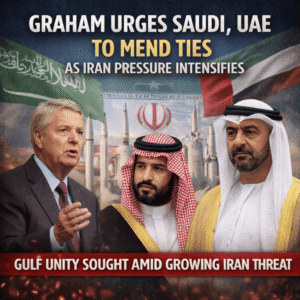
Graham urges Saudi UAE to mend ties as Iran pressure intensifies, warning that Gulf divisions weaken regional security and complicate U.S.-Iran diplomacy amid Yemen and Red Sea tensions.

EU courts Gulf countries for free trade deal to protect European exports from global tariff pressures and deepen strategic partnerships with GCC states.

The European preference in military mobility plan gains support in the EU Parliament, aiming to prioritise EU infrastructure, suppliers, and control to strengthen defence readiness and strategic autonomy.



Subscribe
Fill the form our team will contact you
Advertise with us
Fill the form our team will contact you
Leave us a message