






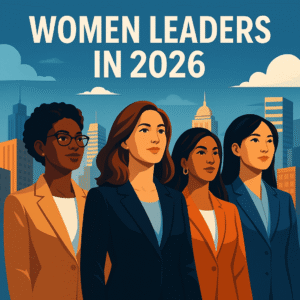


The European Commission’s latest figures show that pay inequality means women work for free until the year’s end, highlighting a persistent gender gap that continues to shape Europe’s labour markets. Women across the EU earn roughly 12% less per hour than men, effectively losing six weeks of paid labour when that gap is translated into a calendar-year figure.
According to the Commission, the math is straightforward: women earn approximately €0.88 for every €1.00 men earn, and this shortfall pushes the symbolic “unpaid work” date to mid-November. The issue is not tied to a single cause but a combination of structural patterns that consistently depress women’s earnings.
Sector concentration plays a significant role. Women remain over-represented in lower-paid industries such as care, education, and social services, which account for nearly a quarter of the pay gap. Career interruptions—especially unpaid caregiving—intensify disparities as women accumulate fewer years of seniority and face slower promotion cycles. Even after accounting for these variables, a residual gap persists, suggesting that women performing comparable roles still face unequal pay.
The Commission is advancing enforcement mechanisms under the EU Pay Transparency Directive, which will require companies with significant pay gaps to disclose data, justify discrepancies, and take corrective action. However, the Commission also notes that transparency alone will not resolve the structural imbalance.
Several underused solutions could accelerate progress. AI-driven anomaly-detection tools could automatically audit company payroll systems and flag inconsistent pay patterns in real time. Algorithmic mapping of unpaid care hours—linked to compensation outcomes—could give regulators clearer insight into the invisible labour load disproportionately carried by women. (Speculative but realistic)Blockchain-based pay-ledger systems may enable immutable, third-party-verifiable audit trails for corporate pay structures, reducing the risk of data manipulation.

Spain slams US and Israeli strikes on Iran, with Prime Minister Pedro Sánchez warning of escalation risks and signalling a more independent Spanish foreign policy stance within the EU.
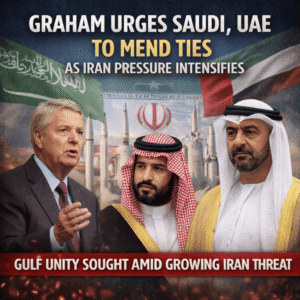
Graham urges Saudi UAE to mend ties as Iran pressure intensifies, warning that Gulf divisions weaken regional security and complicate U.S.-Iran diplomacy amid Yemen and Red Sea tensions.
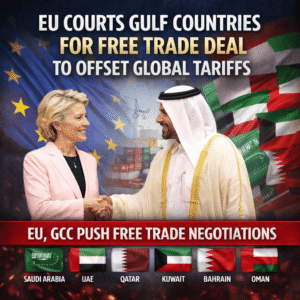
EU courts Gulf countries for free trade deal to protect European exports from global tariff pressures and deepen strategic partnerships with GCC states.
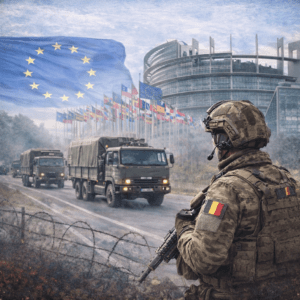
The European preference in military mobility plan gains support in the EU Parliament, aiming to prioritise EU infrastructure, suppliers, and control to strengthen defence readiness and strategic autonomy.

Subscribe
Fill the form our team will contact you
Advertise with us
Fill the form our team will contact you
Leave us a message