









June 09, 2025: The conversation around Canada potentially joining the European Union has shifted from fringe speculation to a topic of formal political engagement. German MEP Joachim Streit has initiated a proposal in the European Parliament that calls for the EU to consider deeper institutional ties with Canada, even exploring the viability of full membership.
Canada, while geographically outside Europe, is being positioned as a natural partner due to its democratic governance, NATO affiliation, economic stability, and substantial resource base. Streit argues that these commonalities warrant an exception or reinterpretation of EU membership rules, which currently restrict accession to “European states” under Article 49 of the Treaty of Lisbon.
Polling shows that public support in Canada for such an initiative is growing, with nearly half of respondents favoring some form of European Union integration. A major driver of this sentiment is economic and geopolitical anxiety stemming from the United States’ recent trade protectionism and fluctuating diplomatic posture. Canada’s government has faced increasing pressure to diversify its alliances and trade partners.
Canada already enjoys a close economic relationship with the EU through the Comprehensive Economic and Trade Agreement (CETA). The treaty has facilitated deep cooperation in trade, regulation, and public procurement. EU policymakers are interested in expanding this framework to include greater strategic alignment in climate policy, defense cooperation, and digital governance.
Despite rising enthusiasm, significant legal and political hurdles remain. Article 49’s geographic limitation is a structural barrier that would require treaty modification or creative legal interpretation. Some legal scholars point to Cyprus and the EU status of French overseas territories as potential precedents for a broader definition of eligibility.
Opposition within the EU focuses on regulatory complexity and the precedent such a move would set. Skeptics argue that enhanced partnership, similar to models with Norway or Switzerland, offers a more realistic path forward.
In the short term, Streit proposes professional exchange programs and coordinated policy development initiatives to enhance institutional compatibility. Whether or not Canada ever seeks formal membership, the proposal is expected to generate new forms of EU-Canada cooperation that move beyond traditional trade agreements.

Spain slams US and Israeli strikes on Iran, with Prime Minister Pedro Sánchez warning of escalation risks and signalling a more independent Spanish foreign policy stance within the EU.
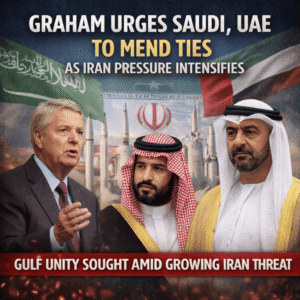
Graham urges Saudi UAE to mend ties as Iran pressure intensifies, warning that Gulf divisions weaken regional security and complicate U.S.-Iran diplomacy amid Yemen and Red Sea tensions.
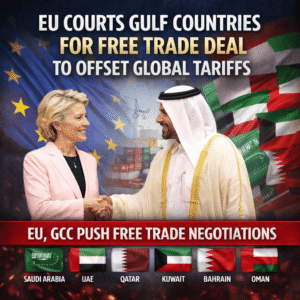
EU courts Gulf countries for free trade deal to protect European exports from global tariff pressures and deepen strategic partnerships with GCC states.

The European preference in military mobility plan gains support in the EU Parliament, aiming to prioritise EU infrastructure, suppliers, and control to strengthen defence readiness and strategic autonomy.



Subscribe
Fill the form our team will contact you
Advertise with us
Fill the form our team will contact you
Leave us a message