









January 16, 2025: The United Kingdom has formalized a historic security cooperation agreement with Ukraine, pledging a 100-year partnership to strengthen defense, economic, and technological ties. Prime Minister Keir Starmer’s visit to Kyiv marked the signing of this long-term treaty with President Volodymyr Zelenskyy, signaling the UK’s unwavering commitment to Ukraine amid ongoing conflict with Russia.
This agreement covers several key areas:
Since Russia’s full-scale invasion in 2022, the UK has been one of Ukraine’s strongest military allies, providing £12.8 billion ($16 billion) in aid and training over 50,000 Ukrainian soldiers. This pact seeks to ensure Ukraine is never again vulnerable to aggression from Russia or other adversaries.
Prime Minister Starmer’s visit underscores the urgency of solidifying Western support for Ukraine, especially as the international community braces for potential shifts in U.S. foreign policy under the incoming Trump administration. European leaders, including those from France, Germany, and Italy, have intensified diplomatic engagements with Ukraine, aiming to strengthen Kyiv’s position before future negotiations.
The 100-year partnership reflects a strategic pivot in Europe’s security framework, positioning the UK as a central player in ensuring Ukraine’s sovereignty and regional stability. This commitment is not only a response to current threats but an investment in future scientific, technological, and cultural collaboration between the two nations.

Spain slams US and Israeli strikes on Iran, with Prime Minister Pedro Sánchez warning of escalation risks and signalling a more independent Spanish foreign policy stance within the EU.
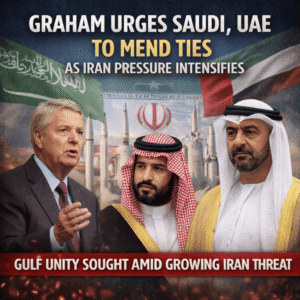
Graham urges Saudi UAE to mend ties as Iran pressure intensifies, warning that Gulf divisions weaken regional security and complicate U.S.-Iran diplomacy amid Yemen and Red Sea tensions.
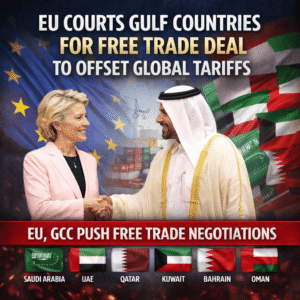
EU courts Gulf countries for free trade deal to protect European exports from global tariff pressures and deepen strategic partnerships with GCC states.
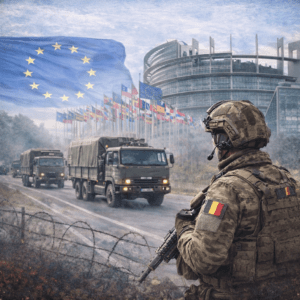
The European preference in military mobility plan gains support in the EU Parliament, aiming to prioritise EU infrastructure, suppliers, and control to strengthen defence readiness and strategic autonomy.

Subscribe
Fill the form our team will contact you
Advertise with us
Fill the form our team will contact you
Leave us a message