









Visa and Mastercard executives faced intense scrutiny from US Senators during a recent hearing. The hearing focused on the companies’ dominant market position, high swipe fees, and potential impact on consumers and businesses.
Senators questioned the executives about the rationale behind the company fees charged for each transaction. Concerns were raised about the potential for anti-competitive behavior and the impact of these fees on small businesses and consumers.
The executives defended the fee structure, arguing that it reflects the value of their services, such as fraud prevention and secure payment processing. They emphasized the companies’ investments in technology and infrastructure to ensure the safety and reliability of payment systems.
However, lawmakers expressed skepticism about the necessity of such high fees, particularly in light of the companies’ dominant market position. Some senators suggested that increased competition and regulatory oversight could help to reduce fees and benefit consumers.
The hearing also highlighted the growing concerns about the concentration of power in the payments industry. As a duopoly, Visa and Mastercard significantly influence the global payments ecosystem. This dominance raises questions about the potential for anti-competitive practices and the need for greater regulatory oversight.
The outcome of the hearing could have significant implications for the future of the payments industry. If lawmakers decide to take action, it could lead to increased regulation, fee caps, or other measures to promote competition and protect consumers.

Spain slams US and Israeli strikes on Iran, with Prime Minister Pedro Sánchez warning of escalation risks and signalling a more independent Spanish foreign policy stance within the EU.
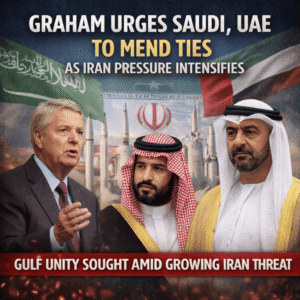
Graham urges Saudi UAE to mend ties as Iran pressure intensifies, warning that Gulf divisions weaken regional security and complicate U.S.-Iran diplomacy amid Yemen and Red Sea tensions.
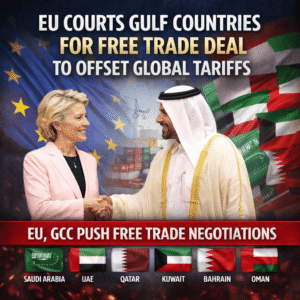
EU courts Gulf countries for free trade deal to protect European exports from global tariff pressures and deepen strategic partnerships with GCC states.

The European preference in military mobility plan gains support in the EU Parliament, aiming to prioritise EU infrastructure, suppliers, and control to strengthen defence readiness and strategic autonomy.

Subscribe
Fill the form our team will contact you
Advertise with us
Fill the form our team will contact you
Leave us a message