










The United Kingdom’s inflation rate has significantly declined, falling to 1.7% in September. This marks the first time in over three years that the rate has dipped below the Bank of England’s target of 2%.
The decrease in inflation is a positive development for the UK economy. It indicates that the cost of living is rising slower, providing relief to consumers and businesses. Additionally, lower inflation can help to stabilize prices and boost economic growth.
Several factors have contributed to the decline in inflation. A decrease in energy prices, particularly fuels and electricity, has significantly impacted. Lower prices for food and non-alcoholic beverages have also helped curb inflation.
The Bank of England has been closely monitoring inflation and implementing monetary policy measures to maintain price stability. The recent decline in inflation may lead to a reassessment of the central bank’s monetary policy stance. If inflation continues to remain below target, the Bank of England may consider lowering interest rates to stimulate economic activity.
However, it is important to note that while the current inflation rate is encouraging, it is still too early to declare a complete victory over inflationary pressures. The economic landscape remains uncertain, and there is a risk of inflation rebounding in the future.
The UK government and the Bank of England must remain vigilant and continue to closely monitor economic indicators. By taking appropriate measures to manage inflation, they can help to create a more stable and prosperous economy for the country.

Spain slams US and Israeli strikes on Iran, with Prime Minister Pedro Sánchez warning of escalation risks and signalling a more independent Spanish foreign policy stance within the EU.

Graham urges Saudi UAE to mend ties as Iran pressure intensifies, warning that Gulf divisions weaken regional security and complicate U.S.-Iran diplomacy amid Yemen and Red Sea tensions.
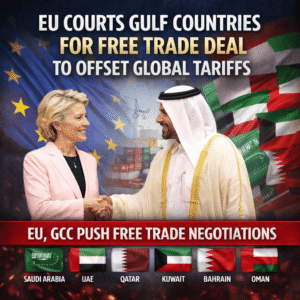
EU courts Gulf countries for free trade deal to protect European exports from global tariff pressures and deepen strategic partnerships with GCC states.

The European preference in military mobility plan gains support in the EU Parliament, aiming to prioritise EU infrastructure, suppliers, and control to strengthen defence readiness and strategic autonomy.



Subscribe
Fill the form our team will contact you
Advertise with us
Fill the form our team will contact you
Leave us a message