









Middle Eastern investment funds are pouring billions of dollars into artificial intelligence (AI) startups, recognizing the technology’s transformative potential. The region’s growing interest in AI is driven by a desire to diversify economies, foster innovation, and address pressing challenges such as population growth and resource scarcity.
One key factor driving investment in AI startups in the Middle East is the region’s abundant capital reserves. Sovereign wealth funds and other institutional investors have significant amounts of money to allocate, and they are increasingly turning to technology as a promising area for investment.
In addition to the availability of capital, the Middle East is home to many talented AI researchers and entrepreneurs. The region’s universities and research institutions are producing a steady stream of graduates with expertise in AI and related fields.
Governments in the Middle East are also supporting investment in AI startups. Many countries in the region are implementing policies and initiatives to promote innovation and entrepreneurship, including creating technology hubs and providing funding for startups.
The growing interest in AI in the Middle East is significantly impacting the global AI landscape. Middle Eastern investors provide critical funding to AI startups, enabling them to scale their businesses and develop new technologies.
As of September 23, 2024, the flow of investment into Middle Eastern AI startups continues to accelerate. The region is poised to become a major player in the global AI ecosystem.

Spain slams US and Israeli strikes on Iran, with Prime Minister Pedro Sánchez warning of escalation risks and signalling a more independent Spanish foreign policy stance within the EU.
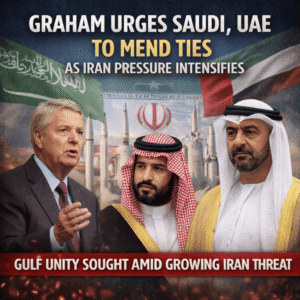
Graham urges Saudi UAE to mend ties as Iran pressure intensifies, warning that Gulf divisions weaken regional security and complicate U.S.-Iran diplomacy amid Yemen and Red Sea tensions.
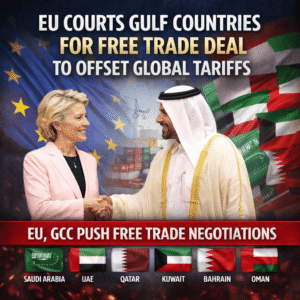
EU courts Gulf countries for free trade deal to protect European exports from global tariff pressures and deepen strategic partnerships with GCC states.

The European preference in military mobility plan gains support in the EU Parliament, aiming to prioritise EU infrastructure, suppliers, and control to strengthen defence readiness and strategic autonomy.



Subscribe
Fill the form our team will contact you
Advertise with us
Fill the form our team will contact you
Leave us a message