









Neste Corporation and Mitsubishi Corporation (MC) announced a strategic collaboration on July 16, 2024, to establish supply chains for renewable chemicals and plastics. This partnership targets Japanese brands in industries like food and beverage, apparel, and consumer electronics. The alliance aims to expedite the creation of defossilized – free from fossil fuels – supply chains for these companies.
Neste will contribute its expertise in sustainability and bio-based materials, including its innovative Neste RE™ for bio-based plastic production. Mitsubishi Corporation, a diversified trading and investment company, will leverage its extensive network within Japan to connect Nestle with relevant brands.
“We are excited to partner with Neste, a forerunner in renewable solutions,” said a representative from Mitsubishi Corporation. “Recognizing the need for sustainable practices, we are eager to strengthen our relationship with a company that shares our values. This collaboration has the potential to generate economic, societal, and environmental benefits for all stakeholders.”
The partnership is anticipated to accelerate Japan’s transition away from fossil fuel-based plastics and towards renewable alternatives. This aligns with the growing global demand for sustainable materials and reduced reliance on fossil resources.
“Neste is committed to accelerating the circular economy for plastics,” remarked a spokesperson for Neste. “By joining forces with Mitsubishi Corporation, we can expand the reach of our renewable solutions and contribute to a more sustainable future for the Japanese market.”
The agreement signifies a significant step towards a more sustainable future for the materials sector in Japan. Combining Neste’s expertise in renewable materials with Mitsubishi Corporation’s market access, this collaboration is poised to play a vital role in driving the adoption of bio-based chemicals and plastics throughout the Japanese supply chain.

Spain slams US and Israeli strikes on Iran, with Prime Minister Pedro Sánchez warning of escalation risks and signalling a more independent Spanish foreign policy stance within the EU.
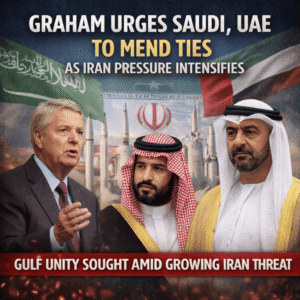
Graham urges Saudi UAE to mend ties as Iran pressure intensifies, warning that Gulf divisions weaken regional security and complicate U.S.-Iran diplomacy amid Yemen and Red Sea tensions.
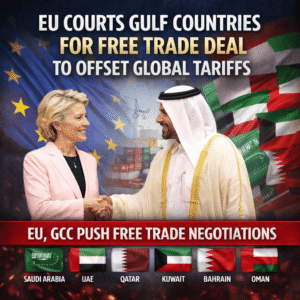
EU courts Gulf countries for free trade deal to protect European exports from global tariff pressures and deepen strategic partnerships with GCC states.

The European preference in military mobility plan gains support in the EU Parliament, aiming to prioritise EU infrastructure, suppliers, and control to strengthen defence readiness and strategic autonomy.

Subscribe
Fill the form our team will contact you
Advertise with us
Fill the form our team will contact you
Leave us a message