









The Saudi Arabian government’s financial windfall from the secondary offering of shares in state-owned oil giant Aramco is projected to reach significant heights. According to a statement released by Aramco, the government’s proceeds from the offering currently stand at 42.1 billion Saudi riyals (approximately $11.2 billion). However, this figure is anticipated to climb further.
The statement specifies that if an additional allocation option is exercised, the government’s revenue will surge to 46.1 billion riyals (approximately $12.3 billion). This outcome aligns with Aramco’s established strategic vision of solidifying its position as a global leader in the integrated energy and chemicals sector.
The secondary offering represents a significant development for the Saudi government, potentially bolstering its economic resources. The additional revenue could be directed toward various initiatives, including infrastructure projects, social programs, and economic diversification efforts to reduce reliance on the oil industry.
The offering’s success also underscores Aramco’s continued financial strength and attractiveness to investors. The company’s robust performance and strategic direction likely played a key role in attracting significant interest from the investment community.
It is noteworthy that the secondary offering transpired amidst a volatile global energy market. Despite these market fluctuations, investor confidence in Aramco remained strong, signifying the company’s resilience and long-term prospects.
In conclusion, the Saudi government’s potential revenue increase from Aramco’s secondary offering presents a positive development for the nation’s economic landscape. The additional funds could be channeled into various initiatives to promote growth and diversification. The offering’s success further reinforces Aramco’s position as a leading player in the global energy sector.

Spain slams US and Israeli strikes on Iran, with Prime Minister Pedro Sánchez warning of escalation risks and signalling a more independent Spanish foreign policy stance within the EU.
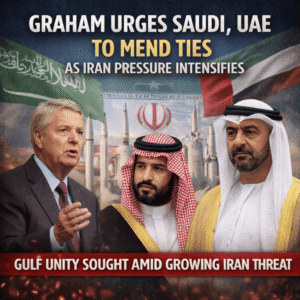
Graham urges Saudi UAE to mend ties as Iran pressure intensifies, warning that Gulf divisions weaken regional security and complicate U.S.-Iran diplomacy amid Yemen and Red Sea tensions.
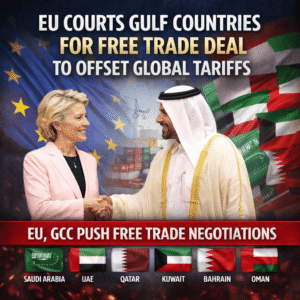
EU courts Gulf countries for free trade deal to protect European exports from global tariff pressures and deepen strategic partnerships with GCC states.

The European preference in military mobility plan gains support in the EU Parliament, aiming to prioritise EU infrastructure, suppliers, and control to strengthen defence readiness and strategic autonomy.

Subscribe
Fill the form our team will contact you
Advertise with us
Fill the form our team will contact you
Leave us a message