









The European Union (EU) has reportedly targeted Microsoft’s Bing search engine, raising concerns about potential violations of the bloc’s content moderation regulations. The European Commission suspects Bing’s artificial intelligence (AI) features may be inadvertently facilitating the spread of disinformation, including deep fakes and misleading content.
This development is amidst growing anxieties within the EU regarding the proliferation of online misinformation. The bloc has recently enacted stricter content moderation laws, known as the Digital Services Act (DSA), which aim to hold tech companies accountable for the content hosted on their platforms.
The EU Commission reportedly suspects Bing’s AI image generator and chatbot could be breaching the DSA’s requirements for mitigating risks associated with user-generated content. These concerns encompass the potential for AI-generated “hallucinations” (false information), the spread of misleading photos, and the manipulation of online services to deceive voters.
While a formal investigation has not yet been launched, the EU has reportedly demanded additional internal documents and data from Microsoft concerning the potential risks posed by Bing’s AI features. Microsoft previously failed to comply with an earlier request for such information.
The EU’s move highlights the challenges associated with regulating AI-powered technologies. Balancing innovation and potential societal harms remains a complex issue. While AI offers numerous benefits, concerns exist regarding its potential misuse in creating and disseminating false information.
The tech industry and policymakers alike will closely watch the outcome of this situation. If the EU proceeds with a formal investigation and charges are levied against Microsoft, it could set a precedent for how other tech companies are held accountable for the content generated by their AI tools.
Microsoft has the opportunity to address the EU’s concerns and demonstrate its commitment to responsible AI development. Microsoft can navigate this regulatory hurdle by implementing robust safeguards to prevent the spread of misinformation and deepfakes and maintain its position within the European search engine market.
In conclusion, the EU’s potential probe of Bing signifies the bloc’s determination to combat online disinformation. This development underscores the evolving regulatory landscape surrounding AI and the need for tech companies to ensure their platforms are not misused to spread false information.

Spain slams US and Israeli strikes on Iran, with Prime Minister Pedro Sánchez warning of escalation risks and signalling a more independent Spanish foreign policy stance within the EU.
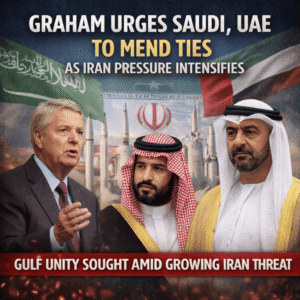
Graham urges Saudi UAE to mend ties as Iran pressure intensifies, warning that Gulf divisions weaken regional security and complicate U.S.-Iran diplomacy amid Yemen and Red Sea tensions.
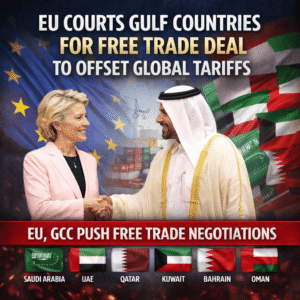
EU courts Gulf countries for free trade deal to protect European exports from global tariff pressures and deepen strategic partnerships with GCC states.

The European preference in military mobility plan gains support in the EU Parliament, aiming to prioritise EU infrastructure, suppliers, and control to strengthen defence readiness and strategic autonomy.



Subscribe
Fill the form our team will contact you
Advertise with us
Fill the form our team will contact you
Leave us a message