










The Federal Aviation Administration (FAA) has concluded an audit of Boeing’s 737 Max production line, revealing a series of deficiencies. This news comes after the 737 Max model was grounded for nearly two years following two fatal accidents.
The audit, initiated in 2021, meticulously examined Boeing’s manufacturing processes for the 737 Max aircraft. The findings reportedly identified dozens of non-compliance issues, raising concerns about potential quality control lapses.
The specific nature of these issues has not been publicly disclosed. However, the FAA has indicated that they encompassed a range of concerns, including record-keeping discrepancies and deviations from established production protocols. These findings necessitate corrective actions from Boeing to ensure adherence to rigorous safety standards.
The FAA is currently collaborating with Boeing to develop a comprehensive remediation plan. This plan will outline specific actions necessary to address the identified shortcomings and ensure future production of the 737 Max meets all regulatory requirements.
Since the 737 Max program’s grounding in 2019, it has been marred by controversy. Two fatal crashes, attributed to faulty software and inadequate pilot training, resulted in the loss of hundreds of lives. The FAA’s audit findings raise questions about potential production shortcomings that may have contributed to these tragic events.
The Boeing 737 Max was eventually re-certified for commercial flight in late 2020, following significant design changes and extensive pilot training revisions. The FAA maintains that the aircraft is now safe.
However, the latest audit findings underscore the critical need for ongoing vigilance. The FAA has reiterated its commitment to holding Boeing accountable for its manufacturing practices and ensuring the continued safety of the 737 Max fleet.
Successful implementation of the corrective action plan and continued rigorous oversight by the FAA will be crucial in regaining public trust in the 737 Max and ensuring its safe operation for years to come.

Spain slams US and Israeli strikes on Iran, with Prime Minister Pedro Sánchez warning of escalation risks and signalling a more independent Spanish foreign policy stance within the EU.
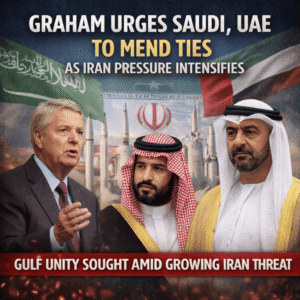
Graham urges Saudi UAE to mend ties as Iran pressure intensifies, warning that Gulf divisions weaken regional security and complicate U.S.-Iran diplomacy amid Yemen and Red Sea tensions.
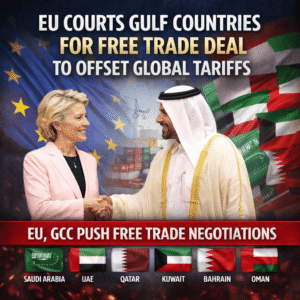
EU courts Gulf countries for free trade deal to protect European exports from global tariff pressures and deepen strategic partnerships with GCC states.

The European preference in military mobility plan gains support in the EU Parliament, aiming to prioritise EU infrastructure, suppliers, and control to strengthen defence readiness and strategic autonomy.

Subscribe
Fill the form our team will contact you
Advertise with us
Fill the form our team will contact you
Leave us a message