









In a significant development with potential ripple effects nationwide, the Colorado Attorney General, Phil Weiser, has filed a lawsuit against the proposed $24.6 billion merger between Kroger and Albertsons, two of the largest supermarket chains in the United States. This legal action aims to prevent the consolidation, citing concerns about its detrimental impact on consumers, workers, and suppliers within the state.
Central to the lawsuit is the argument that the merger would substantially lessen competition within the Colorado grocery market. Currently, Kroger operates 148 King Soopers and City Market stores, while Albertsons runs 105 Safeway and Albertsons stores in the state. Their combined presence represents a significant share of the market, leading the Attorney General to fear the merger would eliminate crucial competition, potentially resulting in:
Beyond antitrust concerns, the lawsuit also cites a violation of Colorado’s “no-poach” agreement law. The Attorney General alleges that the two companies entered into an illegal agreement during a 2022 strike by Albertsons’ employees, restricting the ability of each company to hire workers from the other.
This legal action follows similar lawsuits filed by Washington state and the District of Columbia, reflecting wider concerns about the potential harm of such a large-scale merger. The court’s decision will be closely monitored, as it could set a precedent for similar challenges nationwide and significantly impact the future of the grocery industry.

Spain slams US and Israeli strikes on Iran, with Prime Minister Pedro Sánchez warning of escalation risks and signalling a more independent Spanish foreign policy stance within the EU.
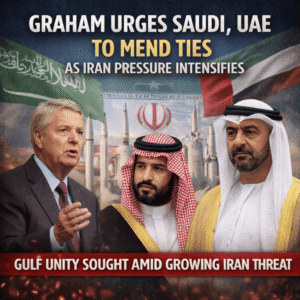
Graham urges Saudi UAE to mend ties as Iran pressure intensifies, warning that Gulf divisions weaken regional security and complicate U.S.-Iran diplomacy amid Yemen and Red Sea tensions.
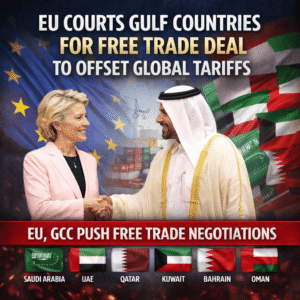
EU courts Gulf countries for free trade deal to protect European exports from global tariff pressures and deepen strategic partnerships with GCC states.

The European preference in military mobility plan gains support in the EU Parliament, aiming to prioritise EU infrastructure, suppliers, and control to strengthen defence readiness and strategic autonomy.



Subscribe
Fill the form our team will contact you
Advertise with us
Fill the form our team will contact you
Leave us a message