










In a move that has cast a cloud of uncertainty over China’s financial reforms, the state-run Xinhua News Agency abruptly removed an article published on January 28, 2024, which announced the planned “merger” of three major bad-debt managers with the China Investment Corporation (CIC). This sudden retraction has sparked speculation and raised questions about the future direction of China’s strategy for tackling non-performing loans (NPLs).
The original article, now inaccessible online, stated that China Cinda Asset Management, China Orient Asset Management, and China Great Wall Asset Management would be integrated into the CIC, a sovereign wealth fund overseeing a significant portion of China’s foreign exchange reserves. If confirmed, this move would have represented a significant consolidation within China’s financial system, potentially streamlining the management of NPLs and enhancing their resolution capabilities.
However, the swift removal of the article has fueled speculation about potential policy changes or internal disagreements within the Chinese government. Some analysts suggest that the terminology of “merger” might have been inaccurate, prompting the retraction to avoid confusion. Others posit that the decision to integrate the bad-debt managers into the CIC might face internal resistance, potentially requiring further deliberation or adjustments to the proposed structure.
The lack of official clarification from Chinese authorities has intensified the uncertainty of the NPL management reform. The Ministry of Finance and the CIC have yet to issue any statements regarding the retracted article or the status of the proposed consolidation. This information vacuum has left market participants and financial analysts grappling with incomplete information, hindering their ability to assess the potential implications of the policy shift.
Despite the ambiguity, removing the article does not necessarily signify the complete abandonment of the consolidation plan. The Chinese government may be simply refining the details of the proposed merger, aiming for a more comprehensive and effective approach to NPL management. However, the need for more transparency surrounding the decision raises concerns about potential delays and unforeseen complications in implementing the reform.
The saga surrounding the proposed consolidation of China’s bad-debt managers reminds us of the complex dynamics within the country’s financial system and the challenges associated with implementing significant reforms. As China navigates its economic transition and grapples with the issue of NPLs, continued vigilance and transparency from policymakers will be crucial in ensuring the success of any future restructuring initiatives.

Spain slams US and Israeli strikes on Iran, with Prime Minister Pedro Sánchez warning of escalation risks and signalling a more independent Spanish foreign policy stance within the EU.
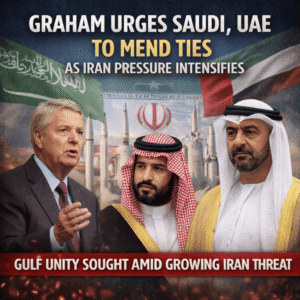
Graham urges Saudi UAE to mend ties as Iran pressure intensifies, warning that Gulf divisions weaken regional security and complicate U.S.-Iran diplomacy amid Yemen and Red Sea tensions.

EU courts Gulf countries for free trade deal to protect European exports from global tariff pressures and deepen strategic partnerships with GCC states.

The European preference in military mobility plan gains support in the EU Parliament, aiming to prioritise EU infrastructure, suppliers, and control to strengthen defence readiness and strategic autonomy.



Subscribe
Fill the form our team will contact you
Advertise with us
Fill the form our team will contact you
Leave us a message