










The isostatic pressing market, a niche technology employed in diverse industries to create high-performance components, is poised for significant growth over the next decade, with analysts projecting its valuation to reach US$12.27 billion by 2030. This anticipated surge, representing a compound annual growth rate (CAGR) of 7.5% from 2023, underscores the increasing demand for its unique capabilities across various sectors.
Several key factors are propelling the market’s expansion. Notably, the burgeoning aerospace and defense industry plays a crucial role, as isostatic pressing finds application in producing lightweight yet robust aircraft and missile components. Additionally, the growing adoption of additive manufacturing, also known as 3D printing, necessitates isostatic pressing for post-processing, further stimulating market growth.
Beyond these, the automotive industry’s shift towards fuel efficiency necessitates lighter and stronger materials, making isostatic pressing a valuable tool for optimizing engine and drivetrain components. Similarly, the medical device sector utilizes it to manufacture biocompatible implants and prosthetics with superior durability and fatigue resistance.
However, despite the promising outlook, challenges remain. The upfront capital expenditure required for isostatic pressing equipment can be a hurdle for smaller manufacturers. Additionally, the complexity of the technology and specialized expertise needed for its operation necessitates workforce training and upskilling initiatives.
Despite these challenges, market leaders actively address them through technological advancements and strategic partnerships. The development of cost-effective, smaller-scale presses is widening accessibility, while collaborations between equipment manufacturers and training institutions facilitate knowledge transfer and workforce development.
The future of the isostatic pressing market appears bright, fueled by its unique advantages and diverse applications in various industries. Continued technological advancements, coupled with proactive efforts to address existing hurdles, hold the potential to unlock the full potential of this versatile technology and propel its market value to new heights in the coming decade.

Spain slams US and Israeli strikes on Iran, with Prime Minister Pedro Sánchez warning of escalation risks and signalling a more independent Spanish foreign policy stance within the EU.
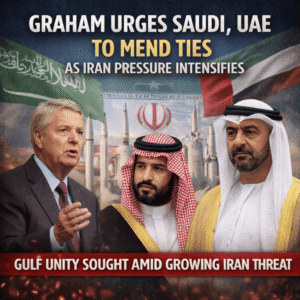
Graham urges Saudi UAE to mend ties as Iran pressure intensifies, warning that Gulf divisions weaken regional security and complicate U.S.-Iran diplomacy amid Yemen and Red Sea tensions.
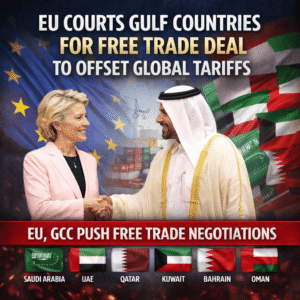
EU courts Gulf countries for free trade deal to protect European exports from global tariff pressures and deepen strategic partnerships with GCC states.

The European preference in military mobility plan gains support in the EU Parliament, aiming to prioritise EU infrastructure, suppliers, and control to strengthen defence readiness and strategic autonomy.


Subscribe
Fill the form our team will contact you
Advertise with us
Fill the form our team will contact you
Leave us a message