










Okta, a leading cloud identity management company, has suffered a serious cybersecurity breach that has wiped out more than $2 billion in market capitalization. The breach, which was disclosed on October 24, 2023, affected a third-party authentication service used by Okta.
According to Okta, the attackers could access a support system and exploit a vulnerability to obtain limited customer data, including names, email addresses, and phone numbers. Okta has stated that there is no evidence that the attackers were able to gain access to customer passwords or financial data.
The breach has raised concerns about the security of Okta’s platform and the potential impact on its customers. Okta is used by over 15,000 organizations worldwide, including many Fortune 500 companies.
Okta has taken steps to mitigate the breach’s impact, including working with law enforcement and cybersecurity experts to investigate the incident and implementing additional security measures. However, the breach is likely to significantly impact Okta’s business, including its reputation and ability to attract new customers.
The Okta cybersecurity breach is a reminder of the growing threat of cyberattacks. Cloud computing providers are particularly attractive targets for attackers, as they store sensitive data.
The Okta breach also highlights the importance of supply chain security.
Okta’s third-party authentication service was a key entry point for the attackers. Organizations need to carefully assess the security of their suppliers and take steps to mitigate the risk of supply chain attacks.
The Okta breach is a wake-up call for organizations using cloud computing services. They must implement strong security controls and ensure their suppliers have adequate security.
Okta has suffered a serious cybersecurity breach that has wiped out more than $2 billion in market capitalization. The breach is likely to have a significant impact on Okta’s business and its customers. The breach is also a reminder of the growing threat of cyberattacks and the importance of supply chain security.

Spain slams US and Israeli strikes on Iran, with Prime Minister Pedro Sánchez warning of escalation risks and signalling a more independent Spanish foreign policy stance within the EU.

Graham urges Saudi UAE to mend ties as Iran pressure intensifies, warning that Gulf divisions weaken regional security and complicate U.S.-Iran diplomacy amid Yemen and Red Sea tensions.
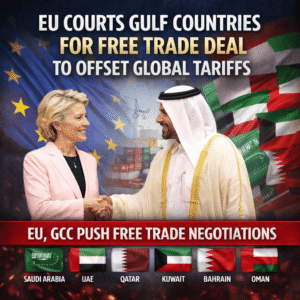
EU courts Gulf countries for free trade deal to protect European exports from global tariff pressures and deepen strategic partnerships with GCC states.

The European preference in military mobility plan gains support in the EU Parliament, aiming to prioritise EU infrastructure, suppliers, and control to strengthen defence readiness and strategic autonomy.



Subscribe
Fill the form our team will contact you
Advertise with us
Fill the form our team will contact you
Leave us a message