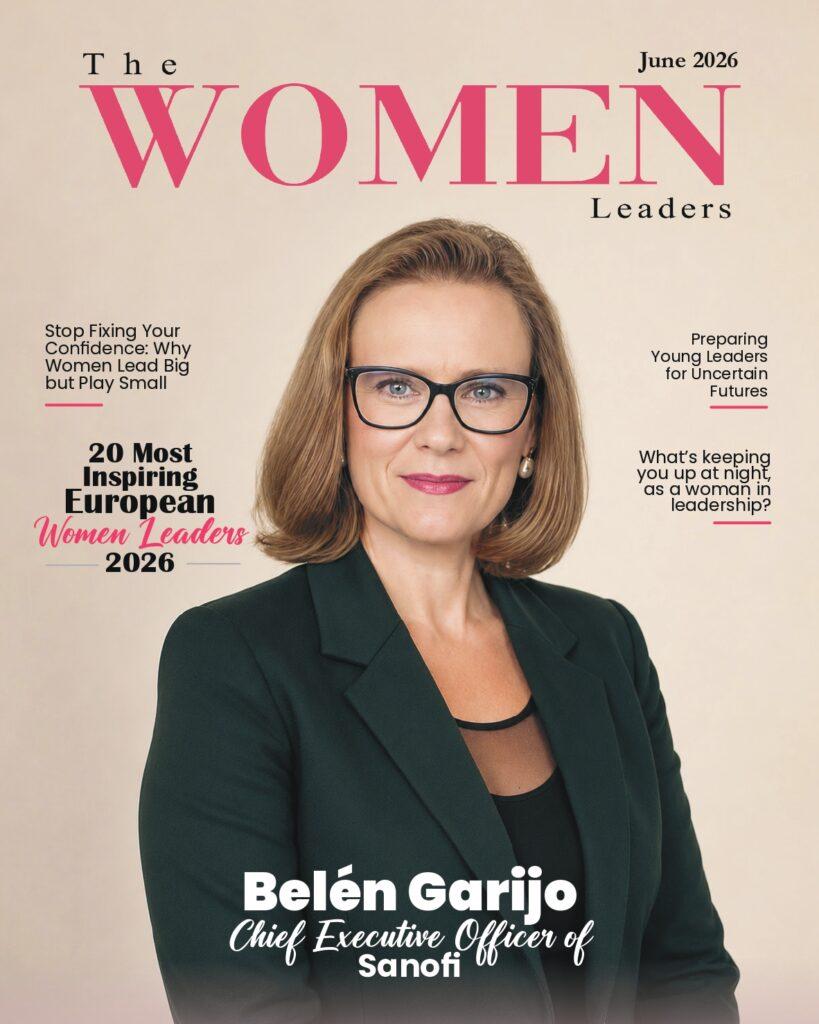










September 26, 2023: OpenAI Gives ChatGPT the ability to speak in five different voices. This update allows users to engage in voice conversations with ChatGPT via its mobile app, selecting from five different synthetic voices for the bot to respond with. Additionally, users can share images with ChatGPT, asking questions or requesting analysis on specific areas within the images.
These new features will be gradually rolled out to paying users over the next two weeks. While voice functionality will be limited to the iOS and Android apps, the image processing capabilities will be available across all platforms.
This development reflects the ongoing competition in the artificial intelligence chatbot arena among industry leaders such as OpenAI, Microsoft, Google, and Anthropic. These tech giants are racing to introduce new chatbot applications and features to encourage wider adoption of generative AI in daily life.
Microsoft’s increased investment in OpenAI earlier this year marked a significant milestone in AI investment, highlighting the industry’s growth and potential. OpenAI’s valuation reached between $27 billion and $29 billion, with support from prominent firms like Sequoia Capital and Andreessen Horowitz.
However, concerns about AI-generated synthetic voices have been raised, which can enhance user experiences and potentially enable more convincing deepfakes. OpenAI addressed some of these concerns in its announcement by noting that its synthetic voices were created with voice actors they have directly worked with, not collected from unknown sources.
Despite this, the announcement didn’t provide extensive details on how OpenAI intends to use consumer voice inputs or secure user data if used. OpenAI’s terms of service indicate that consumers own their inputs to the extent permitted by applicable law, but the specific data practices remain unspecified.

Spain slams US and Israeli strikes on Iran, with Prime Minister Pedro Sánchez warning of escalation risks and signalling a more independent Spanish foreign policy stance within the EU.
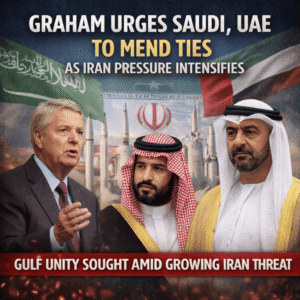
Graham urges Saudi UAE to mend ties as Iran pressure intensifies, warning that Gulf divisions weaken regional security and complicate U.S.-Iran diplomacy amid Yemen and Red Sea tensions.
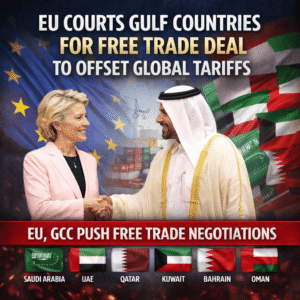
EU courts Gulf countries for free trade deal to protect European exports from global tariff pressures and deepen strategic partnerships with GCC states.
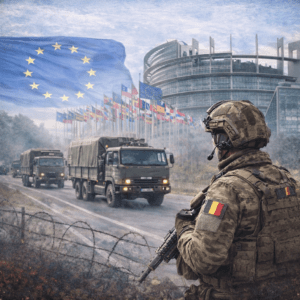
The European preference in military mobility plan gains support in the EU Parliament, aiming to prioritise EU infrastructure, suppliers, and control to strengthen defence readiness and strategic autonomy.

Subscribe
Fill the form our team will contact you
Advertise with us
Fill the form our team will contact you
Leave us a message