










March 20, 2023: On Tuesday, Payment processor Stripe increased $6.5 billion at a $50 billion valuation; the group stated a sharp discount from its document valuation of $95 billion in 2021.
“Stripe is not needing this capital to run its firm,” the company said in a press release. The cash raised with contributions from Andreessen Horowitz, Goldman Sachs, and Temasek will give liquidity to “present and former employees” and tax obligations associated with equity awards.
Stripe, which ranked eighth in the previous year, has slashed its valuation by almost half from its peak two years ago. The firm builds payment processing software for e-commerce businesses like Amazon, Google, and Shopify.
Goldman Sachs was the sole placement agent, while J.P. Morgan was Stripe’s financial advisor.
Stripe has remained privately stated for over a decade, despite frequent speculation about an IPO. In January, the company would decide on a public offering within the following year.
Stripe’s recent Series I round will be non-dilutive, the company said. By providing “liquidity” to recent and retired workers, the company will offset the distribution of the round’s recent shares. But the firm has long maintained that private ownership is optimal.
“We’re delighted as a private company,” Stripe co-founder John Collison said in 2021. At the time, Collison dismissed rumours of a potential IPO.
Stripe cut its internal valuation by 28% in July, from $95 billion to $74 billion. Then in January, The Information stated that Stripe again lowered its valuation to $63 billion. The reduction reflects the dramatic pullback in tech stocks last year, the worst year for the Nasdaq since 2008.
On Wednesday, Stripe laid off 14% of its workforce as leadership acknowledged misjudging how much the internet economy would continue to grow.

Spain slams US and Israeli strikes on Iran, with Prime Minister Pedro Sánchez warning of escalation risks and signalling a more independent Spanish foreign policy stance within the EU.
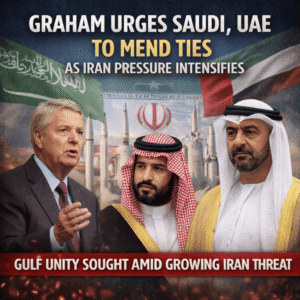
Graham urges Saudi UAE to mend ties as Iran pressure intensifies, warning that Gulf divisions weaken regional security and complicate U.S.-Iran diplomacy amid Yemen and Red Sea tensions.
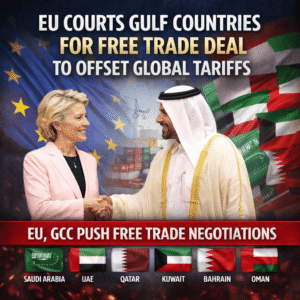
EU courts Gulf countries for free trade deal to protect European exports from global tariff pressures and deepen strategic partnerships with GCC states.

The European preference in military mobility plan gains support in the EU Parliament, aiming to prioritise EU infrastructure, suppliers, and control to strengthen defence readiness and strategic autonomy.


Subscribe
Fill the form our team will contact you
Advertise with us
Fill the form our team will contact you
Leave us a message