










January 02, 2023: -On Friday, under the bipartisan that spends bill that passed the chambers of Congress, TikTok will be prohibited from government devices, underscoring the increasing concern about the popular video-sharing app which China’s ByteDance runs.
The bill, which still has to be entered into law by President Joe Biden, calls on e-commerce platforms to do even more vetting to help deter counterfeit products from being sold online and forces firm pursuing large mergers to pay more to file with federal antitrust agencies.
Congress is failing to pass many aggressive bills targeting tech, including antitrust legislation requiring app stores increased by Apple and Google to give more payment options and measures mandating new guardrails to take care of the kids online. And though Congress made headway in the past toward a compromise on the payments on national privacy standards, there remains a patchwork of state laws determining how consumer data is taken care of.
Centre-left tech industry group Chamber of Progress cheered the exclusion of several antitrust bills that would have targeted its backers, including Apple, Amazon, Google and Meta.
“What you accomplished see in this year’s collection are the controversial measures that have taken red flags on matters like content moderation,” Chamber of Progress CEO Adam Kovacevich said in a statement following the release of the package text. The group increased concerns about a prominent antitrust measure, the American Innovation and Choice Online Act.
Another initiative group, NetChoice, also praised Congress for “refusing to include radical and unchecked developed proposals to overhaul American antitrust law in this omnibus.”
But the statements lawmakers enacted in the spending package will still make their mark on the tech industry in other methods.

Spain slams US and Israeli strikes on Iran, with Prime Minister Pedro Sánchez warning of escalation risks and signalling a more independent Spanish foreign policy stance within the EU.
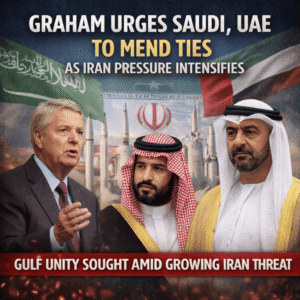
Graham urges Saudi UAE to mend ties as Iran pressure intensifies, warning that Gulf divisions weaken regional security and complicate U.S.-Iran diplomacy amid Yemen and Red Sea tensions.
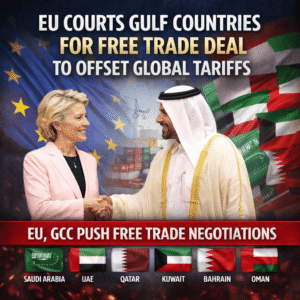
EU courts Gulf countries for free trade deal to protect European exports from global tariff pressures and deepen strategic partnerships with GCC states.

The European preference in military mobility plan gains support in the EU Parliament, aiming to prioritise EU infrastructure, suppliers, and control to strengthen defence readiness and strategic autonomy.

Subscribe
Fill the form our team will contact you
Advertise with us
Fill the form our team will contact you
Leave us a message